Agentic AI Takes Over: OpenAI GPT-5.2, Gemini 3 Deep Think, and Google’s Titans Memory
Participate in the quiz based on this newsletter and the lucky five winners will get a chance to win a coffee mug!
OpenAI announces GPT-5.2
OpenAI has introduced GPT-5.2, its latest flagship model and this time, the focus is clearly not on casual chatting. Instead, GPT-5.2 is built for long-running, professional, and autonomous workflows, where AI systems need to plan ahead, reason through complexity, and execute tasks end-to-end.
Rather than responding to isolated prompts, GPT-5.2 is designed to behave more like an agent capable of handling multi-step processes across software development, enterprise automation, research, and customer support. This marks a meaningful shift in how OpenAI envisions AI being used in real-world environments.
Why It Matters
GPT-5.2 reinforces the industry’s move away from chat-first AI toward agentic systems that can operate independently over time. As AI becomes more autonomous, long-standing concerns around safety, governance, reliability, and job displacement are resurfacing with renewed urgency. The release also sharpens competition with Google’s Gemini models, signaling a new phase in the AI arms race.
Google rolls out Gemini 3 “Deep Think” mode
Google has expanded its Gemini 3 lineup with “Deep Think”, a specialized reasoning mode designed for long, multi-step analytical problems. Unlike general-purpose chat, Deep Think is optimized for serious use cases in mathematics, science, engineering, and complex logical reasoning.
The emphasis here is depth over speed structured thinking, careful analysis, and research-grade outputs rather than conversational fluency. It’s a clear signal that frontier AI models are being shaped for more demanding intellectual workloads.
Why It Matters
Deep Think reflects a broader trend in AI development: specialized cognitive modes instead of one-size-fits-all models. Google is positioning Gemini 3 not just as a chatbot, but as a multimodal reasoning system capable of working seamlessly across text, code, and media. This raises expectations for what analytical AI should be able to do.
Google’s Titans Memory Architecture

One of the biggest limitations of today’s AI systems is memory and Google Research is taking that head-on with Titans, a new neural architecture that introduces a long-term memory module alongside traditional attention mechanisms.
Unlike current models that forget context as conversations grow longer or reset entirely between sessions, Titans is designed to learn what to remember and what to discard. This allows AI systems to retain meaningful historical information and reason over much longer time horizons.
Why It Matters
Long-term memory is a critical missing piece for advanced AI and autonomous agents. Titans unlocks new possibilities for project-level continuity, persistent agents, and deeper reasoning over time. It’s a foundational step toward AI systems that feel less stateless and more context-aware closer to how human intelligence actually works.
Emerging AI Trends: Full-Stack AI Power, Regulation & Health Breakthroughs
Tool of the Week: Simplify Job Search
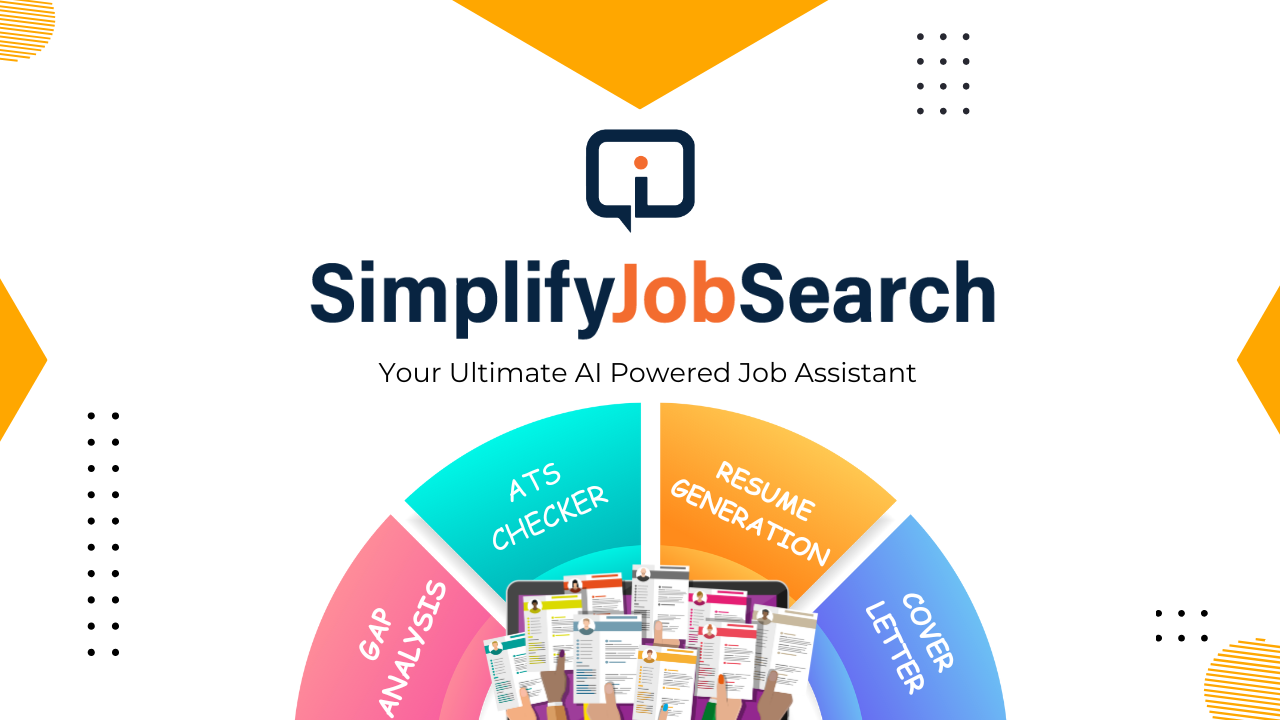
Simplify Job Search is an AI-powered platform that helps job seekers optimize resumes, assess ATS scores, and get personalized job recommendations-streamlining the path to employment.
- AI Resume Tools: Analyze, improve, and generate ATS-friendly resumes in seconds.
- Job Matching: Get job recommendations based on your resume and skills.
- Credit-Based AI Access: Use credits for gap analysis, cover letters, and more.
- Perfect For: Freshers, experienced professionals, and anyone looking to boost job search success with AI.
Highlights Overview
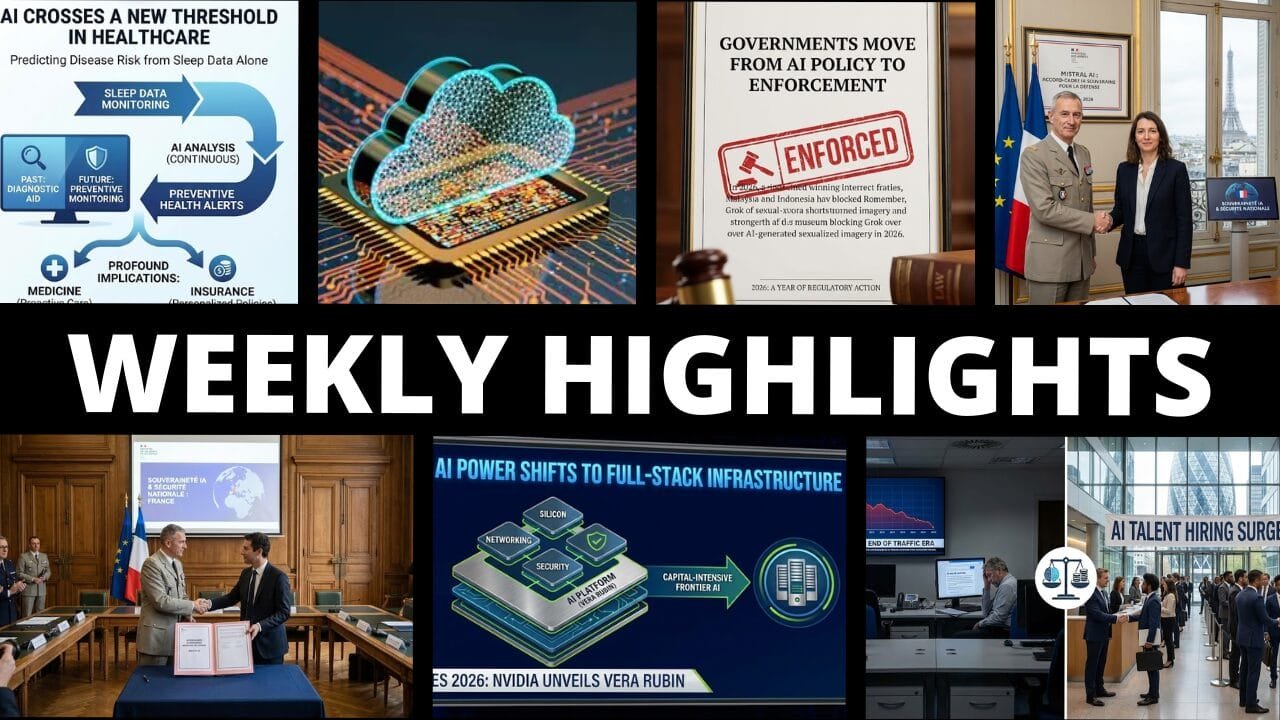
- AI Power Shifts to Full-Stack Infrastructure: NVIDIA’s unveiling of the Vera Rubin AI platform at CES 2026 underscored a major industry shift: AI leadership is no longer about standalone models or chips, but about owning the entire compute stack from silicon to networking to security. This reinforces how capital-intensive and centralized frontier AI has become.
- Governments Move From AI Policy to Enforcement: Malaysia and Indonesia became the first nations to block Grok over AI-generated sexualized imagery, signaling that 2026 is shaping up as a year of direct regulatory action, not just draft guidelines or consultations.
- Sovereign AI Becomes a National Security Priority: France’s defense ministry awarded a framework AI agreement to Mistral AI, highlighting a growing global trend: governments want domestically controlled AI models for military, intelligence, and strategic use reducing reliance on foreign platforms.
- AI’s Economic Disruption Hits Media and Jobs: Publishers warned that AI-generated search summaries and chatbots could mark the “end of the traffic era,” threatening the ad-driven web model. At the same time, financial institutions especially in the UK reported surging demand for AI talent, showing AI is simultaneously destroying and creating economic value across sectors.
- AI Crosses a New Threshold in Healthcare: Researchers at Stanford University revealed an AI system capable of predicting disease risk from sleep data alone, reinforcing a major shift from AI as a diagnostic aid to AI as a preventive, continuous health monitoring tool with profound implications for medicine and insurance.
Quick Bytes
- Gemini 3 Flash (Default Rollout): Google made Gemini 3 Flash the default model in the Gemini app, optimizing for speed, responsiveness, and everyday AI usage at scale.
- Cursor + Graphite AI: Cursor integrated Graphite’s AI-powered code review, enabling smarter pull-request feedback, automated suggestions, and faster developer workflows.
- Adobe Firefly Vector AI: Adobe added vector generation to Firefly, allowing designers to create and edit logos, icons, and scalable graphics directly from text prompts.
- Notion AI Workflow Triggers: Notion introduced AI workflow automations that generate docs, summaries, and tasks automatically when databases or pages change.
- Amazon Bedrock Model Router: Amazon launched an intelligent model router in Bedrock that dynamically selects the best foundation model based on task, cost, and latency.
- Hugging Face Spaces GPU Boost: Hugging Face expanded GPU access for Spaces, making it easier to deploy interactive AI demos and tools without complex infrastructure.