Nvidia’s Vera Rubin, Lenovo’s Qira, and France’s Mistral Bet: How AI Power Is Shifting in 2026
Participate in the quiz based on this newsletter and the lucky five winners will get a chance to win a coffee mug!
NVIDIA unveils Vera Rubin – AI supercomputing goes full-stack

NVIDIA Vera Rubin platform visual – a full-stack AI supercomputing system powering the next era of training and inference.
At CES 2026, NVIDIA introduced Vera Rubin, a next-generation AI supercomputing platform. Breaking from its previous launches centered around chips, Vera Rubin brought CPU, GPU, high-speed networking, memory, and security all together in one optimized system tailored for large-scale AI training and inference.
First announced with Vera Rubin, NVIDIA signals a decisive shift: AI performance is no longer only about faster chips but about owning the entire AI compute stack from silicon to systems. In all, the platform promises major efficiency gains for complex foundation models and agentic AI workloads.
Why It Matters:
AI leadership is concentrating among the companies that are able to provide end-to-end infrastructure. As training costs are increasing and models become more complex, full-stack platforms like Vera Rubin redefine who can compete at the frontier-and at what scale.
Lenovo enters the AI assistant race with Qira
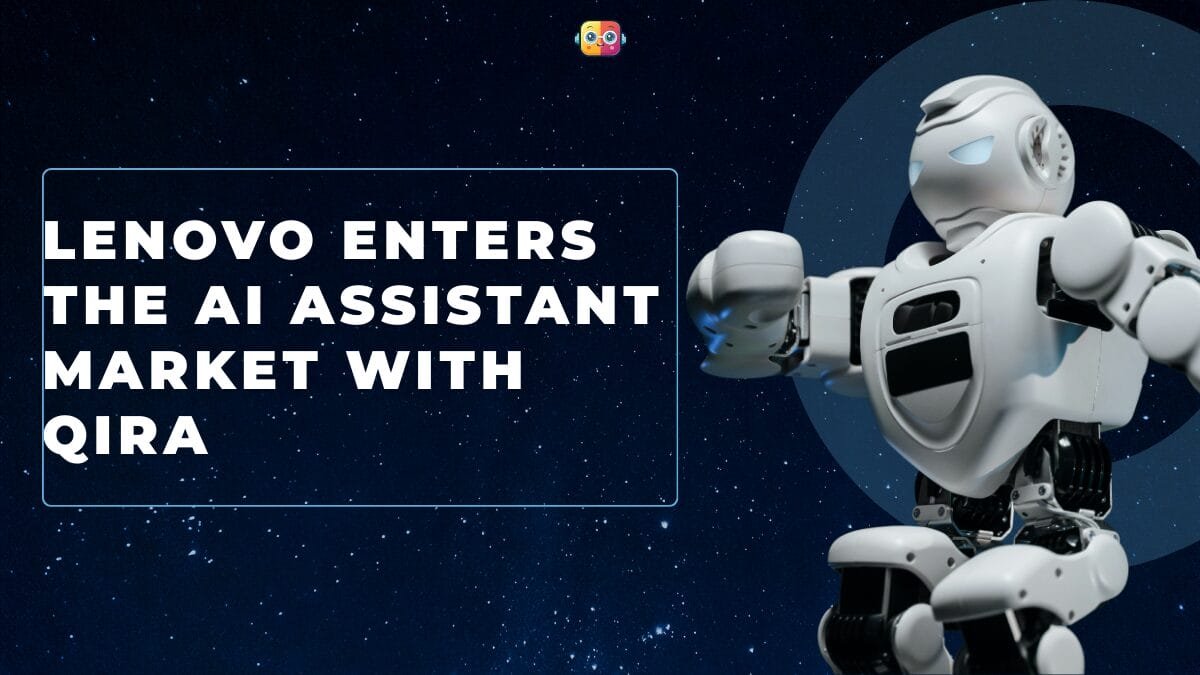
The Lenovo Qira visual – a cross-device AI assistant designed for personalized, always-on experiences.
Lenovo has also unveiled Qira as their new AI assistant that is expected to support cross-device functionality. Qira is aimed at competing with Apple and Google because of its focus on personalization and contextual understanding.
Instead of marketing it as yet another chatbot assistant like Qira, it seems that Lenovo is branding it as an integral part of its hardware ecosystem, which is an indication that AI assistants are no longer going to remain an added feature.
Why It Matters:
The landscape of the AI assistant competition is gradually transitioning from the capability of the model itself towards distribution and integration with devices. Lenovo’s action also exemplifies the manner in which the hardware players are employing AI in order to strengthen the ecosystem effect and compete head-on with operating system-level AI assistants.
France awards military AI contract to Mistral AI

Mistral AI Defense Collaboration Visual – sovereign AI models for national security and military use.
France’s Armed Forces Ministry signed a framework agreement with Mistral AI on September 16, opening the way for the employment of its own models for AI in the defense and strategic sectors and for research purposes. The agreement highlights the importance of using French-controlled infrastructure for hosting AI systems.
The trend is a sign of increased concerns by governments about being reliant on third-party AI vendors, especially in the military and security sectors.
WHY IT MATTERS
“Sober AI” will become a high priority in terms of national security. “A case in point worth mentioning is that of the French administration’s contract for the development of ‘Mistral AI,’ which shows how nations demand autonomy in matters of core AI and do not want to be too dependent on the US or China in terms of these capabilities,” explains
Emerging AI Trends: Full-Stack AI Power, Regulation & Health Breakthroughs
Tool of the Week: Simplify Job Search
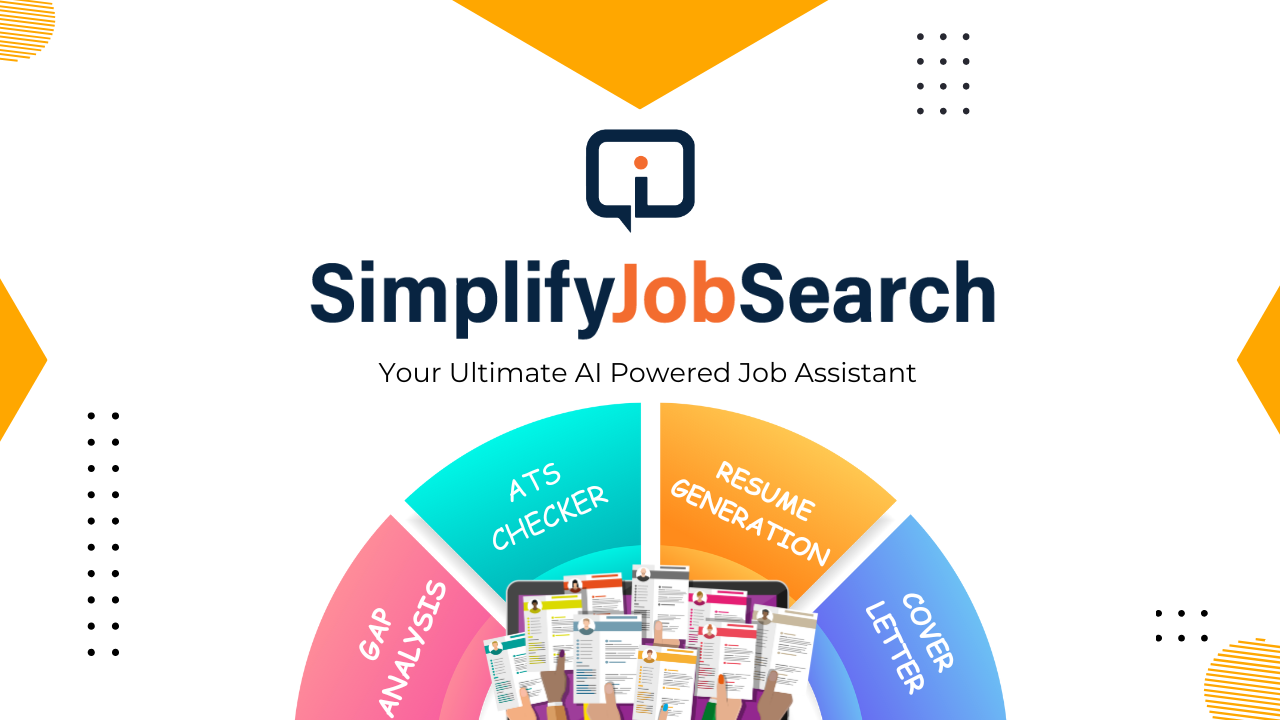
Simplify Job Search is an AI-powered platform that helps job seekers optimize resumes, assess ATS scores, and get personalized job recommendations-streamlining the path to employment.
- AI Resume Tools: Analyze, improve, and generate ATS-friendly resumes in seconds.
- Job Matching: Get job recommendations based on your resume and skills.
- Credit-Based AI Access: Use credits for gap analysis, cover letters, and more.
- Perfect For: Freshers, experienced professionals, and anyone looking to boost job search success with AI.
Highlights Overview
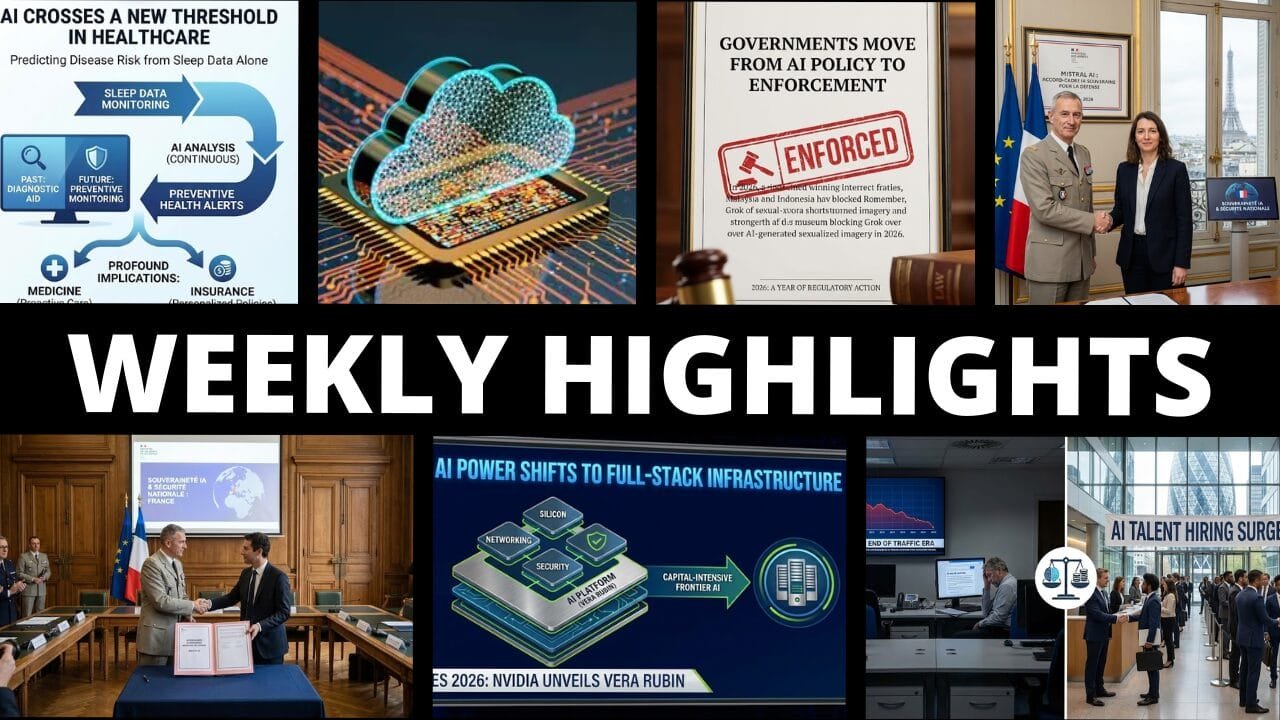
- AI Power Shifts to Full-Stack Infrastructure: NVIDIA’s unveiling of the Vera Rubin AI platform at CES 2026 underscored a major industry shift: AI leadership is no longer about standalone models or chips, but about owning the entire compute stack from silicon to networking to security. This reinforces how capital-intensive and centralized frontier AI has become.
- Governments Move From AI Policy to Enforcement: Malaysia and Indonesia became the first nations to block Grok over AI-generated sexualized imagery, signaling that 2026 is shaping up as a year of direct regulatory action, not just draft guidelines or consultations.
- Sovereign AI Becomes a National Security Priority: France’s defense ministry awarded a framework AI agreement to Mistral AI, highlighting a growing global trend: governments want domestically controlled AI models for military, intelligence, and strategic use reducing reliance on foreign platforms.
- AI’s Economic Disruption Hits Media and Jobs: Publishers warned that AI-generated search summaries and chatbots could mark the “end of the traffic era,” threatening the ad-driven web model. At the same time, financial institutions especially in the UK reported surging demand for AI talent, showing AI is simultaneously destroying and creating economic value across sectors.
- AI Crosses a New Threshold in Healthcare: Researchers at Stanford University revealed an AI system capable of predicting disease risk from sleep data alone, reinforcing a major shift from AI as a diagnostic aid to AI as a preventive, continuous health monitoring tool with profound implications for medicine and insurance.
Quick Bytes
- Gemini 3 Flash (Default Rollout): Google made Gemini 3 Flash the default model in the Gemini app, optimizing for speed, responsiveness, and everyday AI usage at scale.
- Cursor + Graphite AI: Cursor integrated Graphite’s AI-powered code review, enabling smarter pull-request feedback, automated suggestions, and faster developer workflows.
- Adobe Firefly Vector AI: Adobe added vector generation to Firefly, allowing designers to create and edit logos, icons, and scalable graphics directly from text prompts.
- Notion AI Workflow Triggers: Notion introduced AI workflow automations that generate docs, summaries, and tasks automatically when databases or pages change.
- Amazon Bedrock Model Router: Amazon launched an intelligent model router in Bedrock that dynamically selects the best foundation model based on task, cost, and latency.
- Hugging Face Spaces GPU Boost: Hugging Face expanded GPU access for Spaces, making it easier to deploy interactive AI demos and tools without complex infrastructure.